Buy darmkankerinfo.eu ?
We are moving the project
darmkankerinfo.eu .
Are you interested in purchasing the domain
darmkankerinfo.eu ?
domain@kv-gmbh.de · 0541-91531010
Buy darmkankerinfo.eu ?
What are guard cells and stomata?
Guard cells are specialized cells found in the epidermis of plant leaves that surround and control the opening and closing of tiny pores called stomata. Stomata are small openings on the surface of leaves that allow for the exchange of gases such as carbon dioxide and oxygen, as well as the release of water vapor during transpiration. Guard cells regulate the opening and closing of stomata in response to environmental factors such as light intensity, humidity, and carbon dioxide levels to help plants maintain proper gas exchange and water balance. **
Why do mesophytes have small stomata?
Mesophytes have small stomata to regulate water loss through transpiration. By having smaller stomata, mesophytes can control the amount of water vapor that escapes from their leaves, helping them to conserve water in environments where water availability may be limited. Additionally, smaller stomata reduce the risk of desiccation in dry conditions, allowing mesophytes to thrive in a variety of habitats. **


Similar search terms for Stomata
Top-Angebote
Products related to Stomata:
-
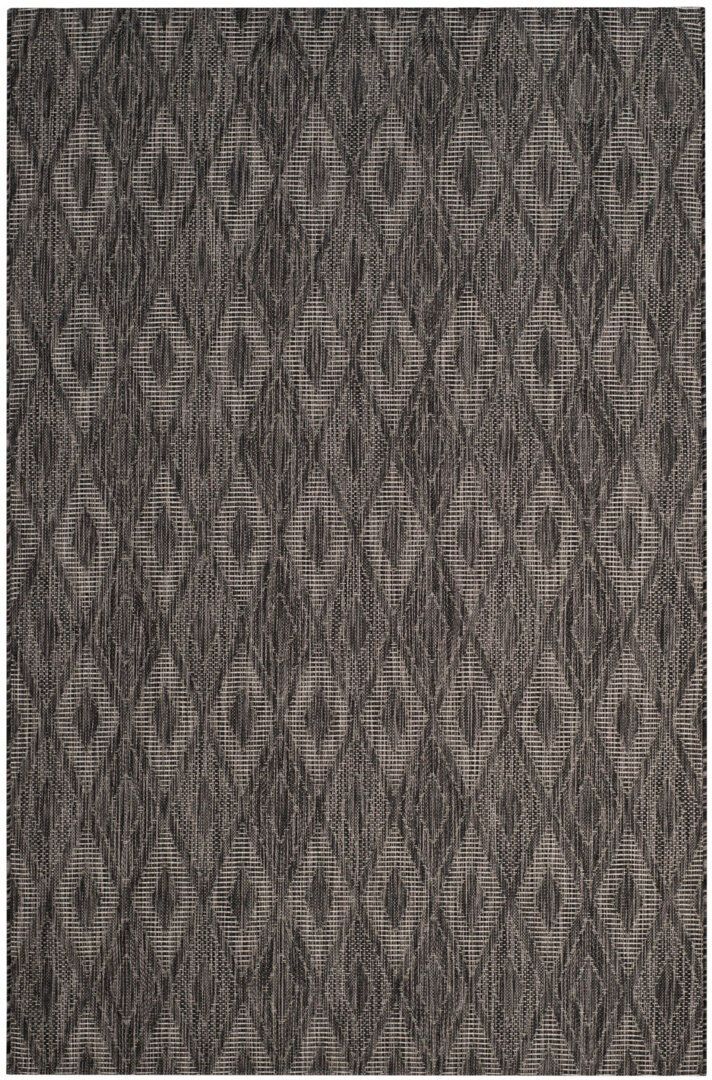
Alpen Home Colon Hooked Black Indoor/Outdoor Rug Black Rectangle 235 x 330cmColon Hooked Black Rug collection was created for today's indoor/outdoor lifestyle. These beautiful but practical rugs take outdoor decorating to the next level with new designs in fashion-forward colours and patterns from classic to contemporary. Alpen Home Rug Size: Rectangle 235 x 330cm237,99 £*Shipping: 14,99 £Secure redirect to the provider
-
Alpen Home Colon Hooked Black Indoor/Outdoor Rug Black Rectangle 160 x 231 cmColon Hooked Black Rug collection was created for today's indoor/outdoor lifestyle. These beautiful but practical rugs take outdoor decorating to the next level with new designs in fashion-forward colours and patterns from classic to contemporary. Alpen Home Rug Size: Rectangle 160 x 231 cm89,99 £*Shipping: 0,00 £Secure redirect to the provider
-
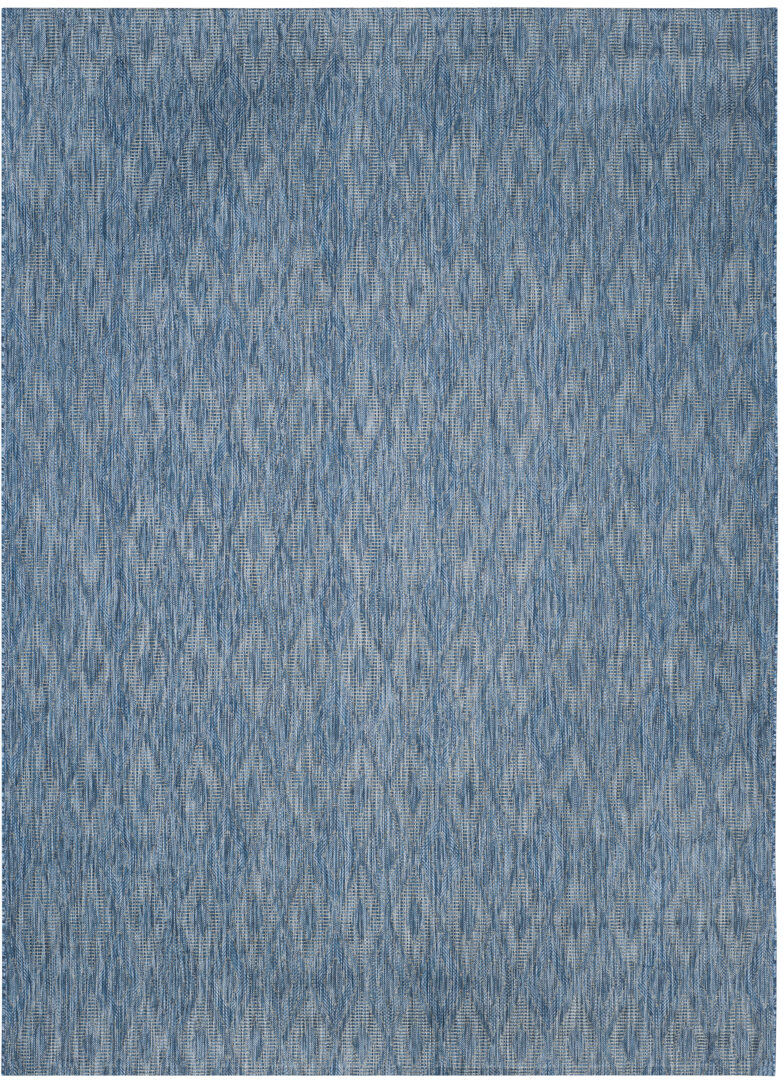
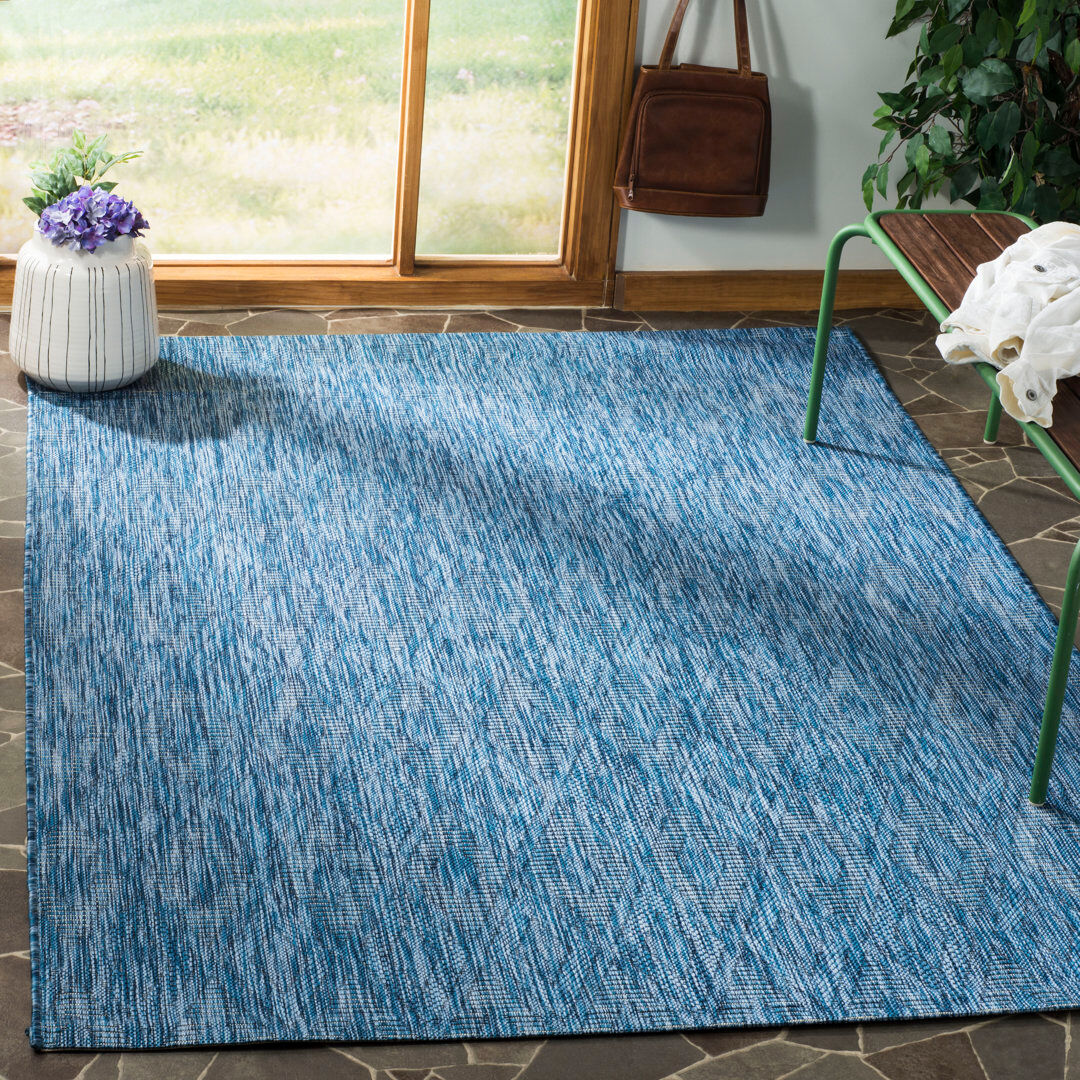
Alpen Home Colon Hooked Navy Indoor/Outdoor Rug Navy Rectangle 201 x 290 cmAlpen Home's Colon collection was created for today's indoor/outdoor lifestyle. These beautiful but practical rugs take outdoor decorating to the next level with new designs in fashion-forward colours, and patterns from classic to contemporary. Alpen Home Rug Size: Rectangle 201 x 290 cm141,99 £*Shipping: 0,00 £Secure redirect to the provider
-
Alpen Home Colon Hooked Navy Indoor/Outdoor Rug Navy Rectangle 122 x 170 cmAlpen Home's Colon collection was created for today's indoor/outdoor lifestyle. These beautiful but practical rugs take outdoor decorating to the next level with new designs in fashion-forward colours, and patterns from classic to contemporary. Alpen Home Rug Size: Rectangle 122 x 170 cm49,99 £*Shipping: 4,99 £Secure redirect to the provider



-
Why do stomata close at midday?
Stomata close at midday to prevent excessive water loss through transpiration. During the hottest part of the day, the plant can lose a significant amount of water through open stomata, which can lead to dehydration and wilting. By closing the stomata, the plant can conserve water and maintain its turgidity, allowing it to survive the heat and dry conditions. Additionally, closing the stomata can also help to regulate the exchange of gases, such as carbon dioxide and oxygen, within the plant. **
-
What are stomata in plants in biology?
Stomata are small pores found on the surface of plant leaves and stems that are responsible for gas exchange. They allow for the uptake of carbon dioxide for photosynthesis and the release of oxygen and water vapor. Stomata are surrounded by specialized cells called guard cells, which control the opening and closing of the pores to regulate the exchange of gases and the loss of water through transpiration. This process is crucial for the survival and growth of plants. **
-
Why are the stomata located underneath the leaf?
Stomata are located underneath the leaf to reduce water loss through transpiration. Placing the stomata on the underside of the leaf helps to minimize exposure to direct sunlight and wind, which can increase water loss. Additionally, having the stomata on the underside of the leaf helps to protect them from potential damage and blockage by dust and other particles. This positioning also allows for better control of gas exchange and helps to maintain the internal water balance of the plant. **
-
Are dry plants hydrophilic and do they have sunken stomata?
Dry plants are not hydrophilic, as they do not have a strong affinity for water. In fact, they often have adaptations to conserve water, such as waxy cuticles and reduced stomata. Additionally, dry plants may have sunken stomata, which helps to reduce water loss by creating a barrier between the stomata and the external environment. These adaptations are important for the survival of dry plants in arid environments. **
Why do aquatic plants have their stomata on top, moist plants on top, adaptable plants on the bottom, and dry plants have sunken stomata?
Aquatic plants have their stomata on top to facilitate gas exchange with the surrounding water. Moist plants have stomata on top to prevent excessive water loss and maintain a moist environment for photosynthesis. Adaptable plants have stomata on the bottom to regulate water loss and gas exchange based on environmental conditions. Dry plants have sunken stomata to reduce water loss through evaporation and protect the stomata from drying out in arid conditions. **
Why do water plants have their stomata on top, moist plants on top, adaptable plants on the bottom, and dry plants have sunken stomata?
Water plants have their stomata on top to prevent water loss and allow for efficient gas exchange with the atmosphere. Moist plants have their stomata on top to take advantage of the moist air and reduce water loss. Adaptable plants have their stomata on the bottom to minimize water loss and adapt to varying environmental conditions. Dry plants have sunken stomata to reduce water loss and protect the stomata from drying out in arid conditions. Each type of plant has evolved to have stomata placement that best suits their specific environmental needs. **
Top-Angebote
Products related to Stomata:
-
Nonin Medical nVision Data Management Software for Oximetry Screening""" nVision SpO2 Data Management Software Nonin's innovation in pulse oximetry has led to the development of an easy oximetry reporting solution nVISION. Designed to provide effortless viewing, professional analysis, report generation and reliable..."441,00 $*Shipping: 0,00 $Secure redirect to the provider
-
Aster The Complete Low FODMAP Diet Plan: Relieve symptoms of IBS using a food-first approachTake control of IBS with this ground-breaking diet planThe low-FODMAP diet is a medically proven approach to managing and relieving symptoms of irritable bowel syndrome (IBS).FODMAPs are fermentable carbohydrates that are difficult to digest and known to cause unpleasant gastrointestinal symptoms, such as bloating, excessive gas and stomach pain.Full of essential information, this easy-to-follow beginner's guide will help you understand and apply the diet with the support of your dietitian, and shows you how, by making simple changes to what you eat, you can alleviate symptoms of IBS and live life to the full again. Includes:A comprehensive table of foods to avoidA detailed explanation of the three-stage process of restriction, reintroduction and personalisation75 delicious gut-friendly recipes7,99 £*Shipping: 2,99 £Secure redirect to the provider
-
Alpen Home Colon Hooked Black Indoor/Outdoor Rug Black Rectangle 235 x 330cmColon Hooked Black Rug collection was created for today's indoor/outdoor lifestyle. These beautiful but practical rugs take outdoor decorating to the next level with new designs in fashion-forward colours and patterns from classic to contemporary. Alpen Home Rug Size: Rectangle 235 x 330cm237,99 £*Shipping: 14,99 £Secure redirect to the provider
-
Alpen Home Colon Hooked Black Indoor/Outdoor Rug Black Rectangle 160 x 231 cmColon Hooked Black Rug collection was created for today's indoor/outdoor lifestyle. These beautiful but practical rugs take outdoor decorating to the next level with new designs in fashion-forward colours and patterns from classic to contemporary. Alpen Home Rug Size: Rectangle 160 x 231 cm89,99 £*Shipping: 0,00 £Secure redirect to the provider
-
What are guard cells and stomata?
Guard cells are specialized cells found in the epidermis of plant leaves that surround and control the opening and closing of tiny pores called stomata. Stomata are small openings on the surface of leaves that allow for the exchange of gases such as carbon dioxide and oxygen, as well as the release of water vapor during transpiration. Guard cells regulate the opening and closing of stomata in response to environmental factors such as light intensity, humidity, and carbon dioxide levels to help plants maintain proper gas exchange and water balance. **
-
Why do mesophytes have small stomata?
Mesophytes have small stomata to regulate water loss through transpiration. By having smaller stomata, mesophytes can control the amount of water vapor that escapes from their leaves, helping them to conserve water in environments where water availability may be limited. Additionally, smaller stomata reduce the risk of desiccation in dry conditions, allowing mesophytes to thrive in a variety of habitats. **
-
Why do stomata close at midday?
Stomata close at midday to prevent excessive water loss through transpiration. During the hottest part of the day, the plant can lose a significant amount of water through open stomata, which can lead to dehydration and wilting. By closing the stomata, the plant can conserve water and maintain its turgidity, allowing it to survive the heat and dry conditions. Additionally, closing the stomata can also help to regulate the exchange of gases, such as carbon dioxide and oxygen, within the plant. **
-
What are stomata in plants in biology?
Stomata are small pores found on the surface of plant leaves and stems that are responsible for gas exchange. They allow for the uptake of carbon dioxide for photosynthesis and the release of oxygen and water vapor. Stomata are surrounded by specialized cells called guard cells, which control the opening and closing of the pores to regulate the exchange of gases and the loss of water through transpiration. This process is crucial for the survival and growth of plants. **
Similar search terms for Stomata
-
Alpen Home Colon Hooked Navy Indoor/Outdoor Rug Navy Rectangle 201 x 290 cmAlpen Home's Colon collection was created for today's indoor/outdoor lifestyle. These beautiful but practical rugs take outdoor decorating to the next level with new designs in fashion-forward colours, and patterns from classic to contemporary. Alpen Home Rug Size: Rectangle 201 x 290 cm141,99 £*Shipping: 0,00 £Secure redirect to the provider
-
Alpen Home Colon Hooked Navy Indoor/Outdoor Rug Navy Rectangle 122 x 170 cmAlpen Home's Colon collection was created for today's indoor/outdoor lifestyle. These beautiful but practical rugs take outdoor decorating to the next level with new designs in fashion-forward colours, and patterns from classic to contemporary. Alpen Home Rug Size: Rectangle 122 x 170 cm49,99 £*Shipping: 4,99 £Secure redirect to the provider
-
Alpen Home Colon Hooked Navy Indoor/Outdoor Rug Navy Rectangle 160 x 231 cmAlpen Home's Colon collection was created for today's indoor/outdoor lifestyle. These beautiful but practical rugs take outdoor decorating to the next level with new designs in fashion-forward colours, and patterns from classic to contemporary. Alpen Home Rug Size: Rectangle 160 x 231 cm89,99 £*Shipping: 0,00 £Secure redirect to the provider
-
Alpen Home Colon Hooked Black Indoor/Outdoor Rug Black Rectangle 201 x 290 cmColon Hooked Black Rug collection was created for today's indoor/outdoor lifestyle. These beautiful but practical rugs take outdoor decorating to the next level with new designs in fashion-forward colours and patterns from classic to contemporary. Alpen Home Rug Size: Rectangle 201 x 290 cm139,99 £*Shipping: 0,00 £Secure redirect to the provider
-
Why are the stomata located underneath the leaf?
Stomata are located underneath the leaf to reduce water loss through transpiration. Placing the stomata on the underside of the leaf helps to minimize exposure to direct sunlight and wind, which can increase water loss. Additionally, having the stomata on the underside of the leaf helps to protect them from potential damage and blockage by dust and other particles. This positioning also allows for better control of gas exchange and helps to maintain the internal water balance of the plant. **
-
Are dry plants hydrophilic and do they have sunken stomata?
Dry plants are not hydrophilic, as they do not have a strong affinity for water. In fact, they often have adaptations to conserve water, such as waxy cuticles and reduced stomata. Additionally, dry plants may have sunken stomata, which helps to reduce water loss by creating a barrier between the stomata and the external environment. These adaptations are important for the survival of dry plants in arid environments. **
-
Why do aquatic plants have their stomata on top, moist plants on top, adaptable plants on the bottom, and dry plants have sunken stomata?
Aquatic plants have their stomata on top to facilitate gas exchange with the surrounding water. Moist plants have stomata on top to prevent excessive water loss and maintain a moist environment for photosynthesis. Adaptable plants have stomata on the bottom to regulate water loss and gas exchange based on environmental conditions. Dry plants have sunken stomata to reduce water loss through evaporation and protect the stomata from drying out in arid conditions. **
-
Why do water plants have their stomata on top, moist plants on top, adaptable plants on the bottom, and dry plants have sunken stomata?
Water plants have their stomata on top to prevent water loss and allow for efficient gas exchange with the atmosphere. Moist plants have their stomata on top to take advantage of the moist air and reduce water loss. Adaptable plants have their stomata on the bottom to minimize water loss and adapt to varying environmental conditions. Dry plants have sunken stomata to reduce water loss and protect the stomata from drying out in arid conditions. Each type of plant has evolved to have stomata placement that best suits their specific environmental needs. **
* All prices are inclusive of VAT and, if applicable, plus shipping costs. The offer information is based on the details provided by the respective shop and is updated through automated processes. Real-time updates do not occur, so deviations can occur in individual cases. ** Note: Parts of this content were created by AI.