Buy darmkankerinfo.eu ?
We are moving the project
darmkankerinfo.eu .
Are you interested in purchasing the domain
darmkankerinfo.eu ?
domain@kv-gmbh.de · 0541-91531010
Buy darmkankerinfo.eu ?
Why is Rutherford's scattering experiment called a scattering experiment at all?
Rutherford's experiment is called a scattering experiment because it involved firing alpha particles at a thin gold foil and observing how they scattered after hitting the foil. The term "scattering" refers to the process of particles being deflected from their original path as a result of collisions with the atoms in the foil. By analyzing the pattern of scattering, Rutherford was able to deduce the structure of the atom and propose the existence of a dense, positively charged nucleus at its center. This experiment was crucial in advancing our understanding of atomic structure and the behavior of subatomic particles. **
What was Rutherford's scattering experiment?
Rutherford's scattering experiment involved firing alpha particles at a thin gold foil and observing their deflection. The experiment aimed to study the structure of the atom and determine how the positive charge is distributed within it. The unexpected results of the experiment led Rutherford to propose the nuclear model of the atom, where he suggested that atoms have a small, dense, positively charged nucleus at their center. This experiment was crucial in advancing our understanding of atomic structure. **


Similar search terms for Scattering
Top-Angebote
Products related to Scattering:
-
Barral Íntima Prevention 200mLA skin-care product. Intimate Prevention is suitable for daily intimate hygiene, ideal in cases of recurrent infections. Its formula has a pH 4.5 and lactic acid, respecting the physiological balance of the woman. It contains prebiotics that help strengthen natural defenses, neutralizing the causes of possible discomfort, infections and unpleasant odor.8,86 £*Shipping: 7,11 £Secure redirect to the provider
-
Alpen Home Colon Hooked Black Indoor/Outdoor Rug Black Rectangle 235 x 330cmColon Hooked Black Rug collection was created for today's indoor/outdoor lifestyle. These beautiful but practical rugs take outdoor decorating to the next level with new designs in fashion-forward colours and patterns from classic to contemporary. Alpen Home Rug Size: Rectangle 235 x 330cm237,99 £*Shipping: 14,99 £Secure redirect to the provider
-
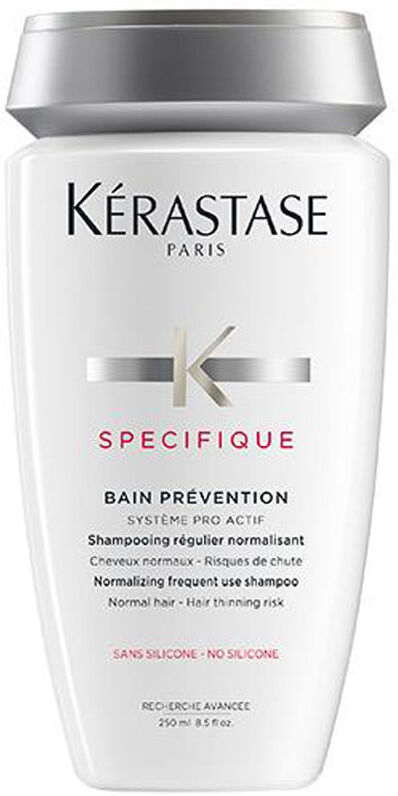
Kérastase Specifique Bain Prevention 250mlFor anyone who previously used Kérastase Bain Stimuliste GL, the Kérastase Specifique Bain Prevention is a reformulation designed to target thinning hair.The formula is made with super-active ingredients to help plump and boost each strand. It increases microcirculation activation and bulb nutrition, which results in the micro-circulation being activated. This helps to make hair fuller and thicker.24,40 £*Shipping: 0,00 £Secure redirect to the provider
-
Alpen Home Colon Hooked Navy Indoor/Outdoor Rug Navy Rectangle 201 x 290 cmAlpen Home's Colon collection was created for today's indoor/outdoor lifestyle. These beautiful but practical rugs take outdoor decorating to the next level with new designs in fashion-forward colours, and patterns from classic to contemporary. Alpen Home Rug Size: Rectangle 201 x 290 cm141,99 £*Shipping: 0,00 £Secure redirect to the provider



-
What is the Rutherford scattering experiment?
The Rutherford scattering experiment was conducted by physicist Ernest Rutherford in 1909. In this experiment, Rutherford bombarded a thin gold foil with alpha particles and observed their scattering patterns. The unexpected results of the experiment led to the discovery of the atomic nucleus and the development of the nuclear model of the atom. The experiment showed that most of the alpha particles passed through the foil, but some were deflected at large angles, indicating the presence of a small, dense nucleus within the atom. This experiment revolutionized our understanding of the structure of the atom. **
-
What is the Rutherford scattering with copper?
Rutherford scattering with copper refers to the experiment conducted by Ernest Rutherford in which he bombarded a thin gold foil with alpha particles. The experiment led to the discovery that atoms have a small, dense nucleus at their center, which was a groundbreaking finding in the field of nuclear physics. The use of copper in the experiment is not common, as gold was the metal foil typically used due to its malleability and ability to be made very thin. **
-
What is the difference between reflection and scattering?
Reflection occurs when light bounces off a surface at the same angle it hits it, resulting in a clear image. Scattering, on the other hand, occurs when light is dispersed in different directions by particles or irregularities in a medium, resulting in a diffuse or hazy appearance. In reflection, the light maintains its original intensity and color, while in scattering, the light may lose intensity and change color due to the interaction with the medium. **
-
What causes the photoelectric effect: absorption or scattering?
The photoelectric effect is caused by absorption of photons by electrons in a material, rather than scattering. When a photon with sufficient energy is absorbed by an electron in a material, it can transfer enough energy to the electron to liberate it from the material, causing the photoelectric effect. Scattering, on the other hand, involves the redirection of photons by particles in a material, but it does not result in the ejection of electrons from the material. **


Why is the Rutherford experiment called the scattering experiment?
The Rutherford experiment is called the scattering experiment because it involved firing alpha particles at a thin gold foil and observing how they scattered after hitting the foil. This scattering of alpha particles provided crucial evidence for the existence of a small, dense nucleus within the atom, as most of the alpha particles passed through the foil with little deflection, but a small fraction were scattered at large angles. This unexpected scattering pattern led to the development of the nuclear model of the atom and revolutionized our understanding of atomic structure. **
Can you explain the Rutherford scattering experiment atomic model?
The Rutherford scattering experiment was conducted by physicist Ernest Rutherford in 1909. In this experiment, Rutherford bombarded a thin gold foil with alpha particles and observed their scattering patterns. According to the prevailing atomic model at the time, the plum pudding model, it was expected that the alpha particles would pass through the foil with minimal deflection. However, Rutherford's observations showed that some alpha particles were deflected at large angles, and even some were reflected back. This led to the development of the nuclear model of the atom, in which the atom is mostly empty space with a small, dense nucleus at the center. This experiment provided evidence for the existence of a positively charged nucleus within the atom, leading to a significant shift in our understanding of atomic structure. **
Top-Angebote
Products related to Scattering:
-
Nonin Medical nVision Data Management Software for Oximetry Screening""" nVision SpO2 Data Management Software Nonin's innovation in pulse oximetry has led to the development of an easy oximetry reporting solution nVISION. Designed to provide effortless viewing, professional analysis, report generation and reliable..."441,00 $*Shipping: 0,00 $Secure redirect to the provider
-
Aster The Complete Low FODMAP Diet Plan: Relieve symptoms of IBS using a food-first approachTake control of IBS with this ground-breaking diet planThe low-FODMAP diet is a medically proven approach to managing and relieving symptoms of irritable bowel syndrome (IBS).FODMAPs are fermentable carbohydrates that are difficult to digest and known to cause unpleasant gastrointestinal symptoms, such as bloating, excessive gas and stomach pain.Full of essential information, this easy-to-follow beginner's guide will help you understand and apply the diet with the support of your dietitian, and shows you how, by making simple changes to what you eat, you can alleviate symptoms of IBS and live life to the full again. Includes:A comprehensive table of foods to avoidA detailed explanation of the three-stage process of restriction, reintroduction and personalisation75 delicious gut-friendly recipes7,99 £*Shipping: 2,99 £Secure redirect to the provider
-
Barral Íntima Prevention 200mLA skin-care product. Intimate Prevention is suitable for daily intimate hygiene, ideal in cases of recurrent infections. Its formula has a pH 4.5 and lactic acid, respecting the physiological balance of the woman. It contains prebiotics that help strengthen natural defenses, neutralizing the causes of possible discomfort, infections and unpleasant odor.8,86 £*Shipping: 7,11 £Secure redirect to the provider
-
Alpen Home Colon Hooked Black Indoor/Outdoor Rug Black Rectangle 235 x 330cmColon Hooked Black Rug collection was created for today's indoor/outdoor lifestyle. These beautiful but practical rugs take outdoor decorating to the next level with new designs in fashion-forward colours and patterns from classic to contemporary. Alpen Home Rug Size: Rectangle 235 x 330cm237,99 £*Shipping: 14,99 £Secure redirect to the provider
-
Why is Rutherford's scattering experiment called a scattering experiment at all?
Rutherford's experiment is called a scattering experiment because it involved firing alpha particles at a thin gold foil and observing how they scattered after hitting the foil. The term "scattering" refers to the process of particles being deflected from their original path as a result of collisions with the atoms in the foil. By analyzing the pattern of scattering, Rutherford was able to deduce the structure of the atom and propose the existence of a dense, positively charged nucleus at its center. This experiment was crucial in advancing our understanding of atomic structure and the behavior of subatomic particles. **
-
What was Rutherford's scattering experiment?
Rutherford's scattering experiment involved firing alpha particles at a thin gold foil and observing their deflection. The experiment aimed to study the structure of the atom and determine how the positive charge is distributed within it. The unexpected results of the experiment led Rutherford to propose the nuclear model of the atom, where he suggested that atoms have a small, dense, positively charged nucleus at their center. This experiment was crucial in advancing our understanding of atomic structure. **
-
What is the Rutherford scattering experiment?
The Rutherford scattering experiment was conducted by physicist Ernest Rutherford in 1909. In this experiment, Rutherford bombarded a thin gold foil with alpha particles and observed their scattering patterns. The unexpected results of the experiment led to the discovery of the atomic nucleus and the development of the nuclear model of the atom. The experiment showed that most of the alpha particles passed through the foil, but some were deflected at large angles, indicating the presence of a small, dense nucleus within the atom. This experiment revolutionized our understanding of the structure of the atom. **
-
What is the Rutherford scattering with copper?
Rutherford scattering with copper refers to the experiment conducted by Ernest Rutherford in which he bombarded a thin gold foil with alpha particles. The experiment led to the discovery that atoms have a small, dense nucleus at their center, which was a groundbreaking finding in the field of nuclear physics. The use of copper in the experiment is not common, as gold was the metal foil typically used due to its malleability and ability to be made very thin. **
Similar search terms for Scattering
-
Kérastase Specifique Bain Prevention 250mlFor anyone who previously used Kérastase Bain Stimuliste GL, the Kérastase Specifique Bain Prevention is a reformulation designed to target thinning hair.The formula is made with super-active ingredients to help plump and boost each strand. It increases microcirculation activation and bulb nutrition, which results in the micro-circulation being activated. This helps to make hair fuller and thicker.24,40 £*Shipping: 0,00 £Secure redirect to the provider
-
Alpen Home Colon Hooked Navy Indoor/Outdoor Rug Navy Rectangle 201 x 290 cmAlpen Home's Colon collection was created for today's indoor/outdoor lifestyle. These beautiful but practical rugs take outdoor decorating to the next level with new designs in fashion-forward colours, and patterns from classic to contemporary. Alpen Home Rug Size: Rectangle 201 x 290 cm141,99 £*Shipping: 0,00 £Secure redirect to the provider
-
Alpen Home Colon Hooked Navy Indoor/Outdoor Rug Navy Rectangle 122 x 170 cmAlpen Home's Colon collection was created for today's indoor/outdoor lifestyle. These beautiful but practical rugs take outdoor decorating to the next level with new designs in fashion-forward colours, and patterns from classic to contemporary. Alpen Home Rug Size: Rectangle 122 x 170 cm49,99 £*Shipping: 4,99 £Secure redirect to the provider
-
Alpen Home Colon Hooked Navy Indoor/Outdoor Rug Navy Rectangle 160 x 231 cmAlpen Home's Colon collection was created for today's indoor/outdoor lifestyle. These beautiful but practical rugs take outdoor decorating to the next level with new designs in fashion-forward colours, and patterns from classic to contemporary. Alpen Home Rug Size: Rectangle 160 x 231 cm89,99 £*Shipping: 0,00 £Secure redirect to the provider
-
What is the difference between reflection and scattering?
Reflection occurs when light bounces off a surface at the same angle it hits it, resulting in a clear image. Scattering, on the other hand, occurs when light is dispersed in different directions by particles or irregularities in a medium, resulting in a diffuse or hazy appearance. In reflection, the light maintains its original intensity and color, while in scattering, the light may lose intensity and change color due to the interaction with the medium. **
-
What causes the photoelectric effect: absorption or scattering?
The photoelectric effect is caused by absorption of photons by electrons in a material, rather than scattering. When a photon with sufficient energy is absorbed by an electron in a material, it can transfer enough energy to the electron to liberate it from the material, causing the photoelectric effect. Scattering, on the other hand, involves the redirection of photons by particles in a material, but it does not result in the ejection of electrons from the material. **
-
Why is the Rutherford experiment called the scattering experiment?
The Rutherford experiment is called the scattering experiment because it involved firing alpha particles at a thin gold foil and observing how they scattered after hitting the foil. This scattering of alpha particles provided crucial evidence for the existence of a small, dense nucleus within the atom, as most of the alpha particles passed through the foil with little deflection, but a small fraction were scattered at large angles. This unexpected scattering pattern led to the development of the nuclear model of the atom and revolutionized our understanding of atomic structure. **
-
Can you explain the Rutherford scattering experiment atomic model?
The Rutherford scattering experiment was conducted by physicist Ernest Rutherford in 1909. In this experiment, Rutherford bombarded a thin gold foil with alpha particles and observed their scattering patterns. According to the prevailing atomic model at the time, the plum pudding model, it was expected that the alpha particles would pass through the foil with minimal deflection. However, Rutherford's observations showed that some alpha particles were deflected at large angles, and even some were reflected back. This led to the development of the nuclear model of the atom, in which the atom is mostly empty space with a small, dense nucleus at the center. This experiment provided evidence for the existence of a positively charged nucleus within the atom, leading to a significant shift in our understanding of atomic structure. **
* All prices are inclusive of VAT and, if applicable, plus shipping costs. The offer information is based on the details provided by the respective shop and is updated through automated processes. Real-time updates do not occur, so deviations can occur in individual cases. ** Note: Parts of this content were created by AI.