Buy darmkankerinfo.eu ?
We are moving the project
darmkankerinfo.eu .
Are you interested in purchasing the domain
darmkankerinfo.eu ?
domain@kv-gmbh.de · 0541-91531010
Buy darmkankerinfo.eu ?
How do you transform an object clause or a subject clause into a dependent clause (subordinate clause)?
To transform an object clause or a subject clause into a dependent clause, you can add a subordinating conjunction at the beginning of the clause. For example, changing "I know that he is coming" (object clause) to "I know when he is coming" (dependent clause). Another way is to remove the subject or object pronoun and change the verb form to make it dependent on the main clause. For instance, changing "She believes she can win" (subject clause) to "She believes she can win" (dependent clause). **
Is an infinitive clause a subordinate clause?
Yes, an infinitive clause is a type of subordinate clause. It functions as a single unit within a sentence and is dependent on the main clause for its meaning. Infinitive clauses typically begin with the word "to" followed by a verb, and they can serve various purposes such as expressing purpose, result, or obligation. **


Similar search terms for Clause
Top-Angebote
Products related to Clause:
-
Daily Deals Depot Santa Clause Peeker Yard Ornament, Christmas Fence Decoration, Indoor Outdoor Holiday Placard, DIY Festival Gift greenBring the festive spirit to life with this Christmas Fence Ornament Santa Clause Peeker Yard Decoration, the perfect way to surprise neighbors and delight guests this holiday season. Designed for indoor and outdoor use, this charming Santa Clause...21,97 $*Shipping: 0,00 $Secure redirect to the provider
-
Nonin Medical nVision Data Management Software for Oximetry Screening""" nVision SpO2 Data Management Software Nonin's innovation in pulse oximetry has led to the development of an easy oximetry reporting solution nVISION. Designed to provide effortless viewing, professional analysis, report generation and reliable..."441,00 $*Shipping: 0,00 $Secure redirect to the provider
-
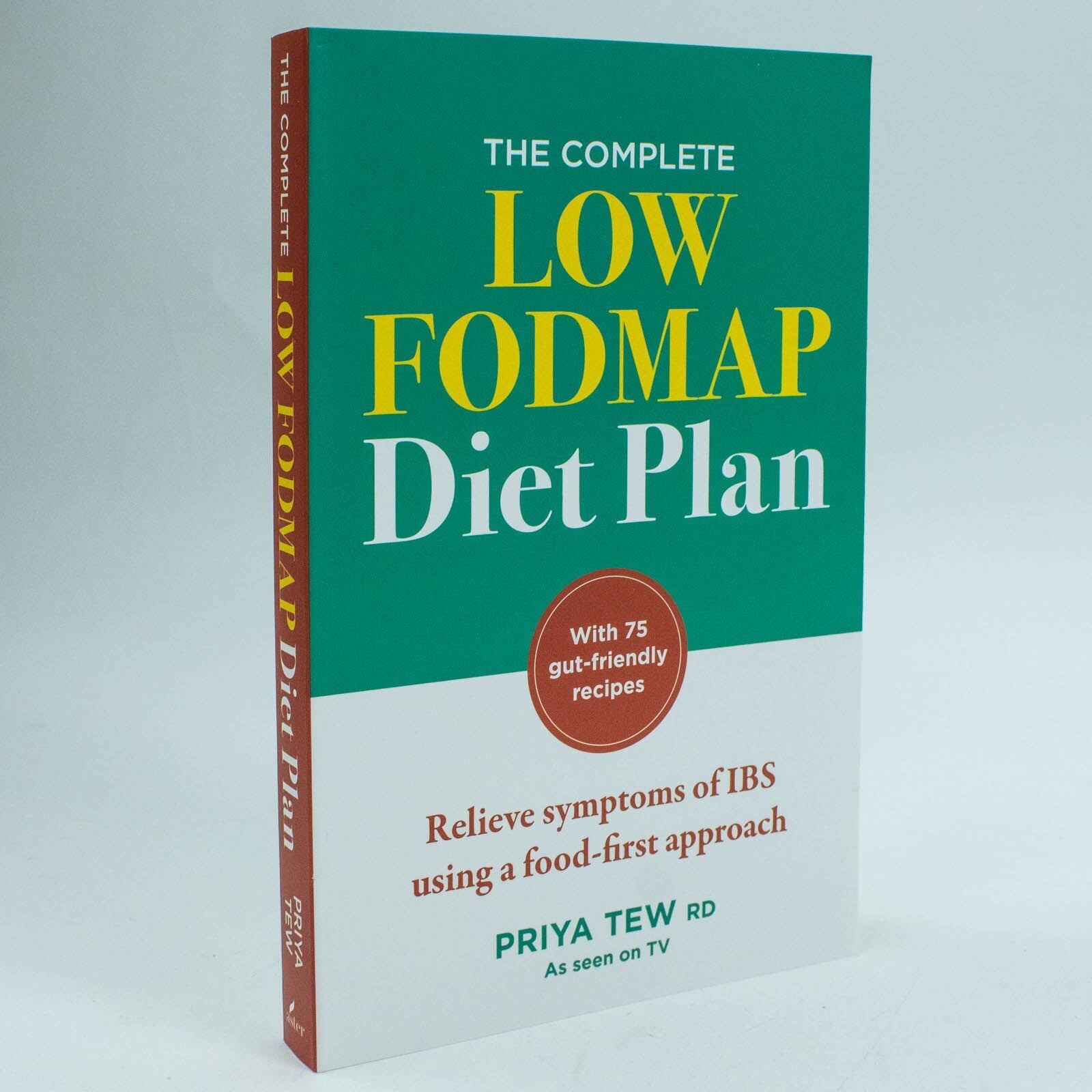
Aster The Complete Low FODMAP Diet Plan: Relieve symptoms of IBS using a food-first approachTake control of IBS with this ground-breaking diet planThe low-FODMAP diet is a medically proven approach to managing and relieving symptoms of irritable bowel syndrome (IBS).FODMAPs are fermentable carbohydrates that are difficult to digest and known to cause unpleasant gastrointestinal symptoms, such as bloating, excessive gas and stomach pain.Full of essential information, this easy-to-follow beginner's guide will help you understand and apply the diet with the support of your dietitian, and shows you how, by making simple changes to what you eat, you can alleviate symptoms of IBS and live life to the full again. Includes:A comprehensive table of foods to avoidA detailed explanation of the three-stage process of restriction, reintroduction and personalisation75 delicious gut-friendly recipes7,99 £*Shipping: 2,99 £Secure redirect to the provider
-
Barral Íntima Prevention 200mLA skin-care product. Intimate Prevention is suitable for daily intimate hygiene, ideal in cases of recurrent infections. Its formula has a pH 4.5 and lactic acid, respecting the physiological balance of the woman. It contains prebiotics that help strengthen natural defenses, neutralizing the causes of possible discomfort, infections and unpleasant odor.8,86 £*Shipping: 7,11 £Secure redirect to the provider



-
What are main clause-subordinate clause constructions?
Main clause-subordinate clause constructions are sentences that consist of a main clause and one or more subordinate clauses. The main clause is a complete sentence that can stand alone, while the subordinate clause depends on the main clause for its meaning and cannot stand alone. Subordinate clauses often begin with subordinating conjunctions such as "because," "although," "if," or "when," and they provide additional information or context to the main clause. These constructions allow for more complex and nuanced sentence structures, and they are commonly used in both spoken and written language. **
-
Can an adverbial clause also be a subject clause or an object clause?
No, an adverbial clause cannot be a subject clause or an object clause. An adverbial clause functions as an adverb to modify a verb, adjective, or adverb in a sentence. Subject clauses and object clauses, on the other hand, serve as the subject or object of the main clause, respectively. Each type of clause has a specific grammatical function within a sentence. **
-
Is the main clause and subordinate clause correct?
To determine if the main clause and subordinate clause are correct, you need to ensure that they are grammatically sound and that they make sense when combined. The main clause should be able to stand alone as a complete sentence, while the subordinate clause provides additional information but cannot stand alone. Checking for subject-verb agreement and proper punctuation between the two clauses can help confirm their correctness. **
-
How do I recognize a relative clause, a conjunctional clause, and an interrogative clause?
A relative clause typically starts with a relative pronoun (such as who, whom, whose, which, or that) and provides more information about a noun in the main clause. A conjunctional clause, on the other hand, is introduced by a conjunction (such as and, but, or because) and connects two independent clauses. An interrogative clause is a type of clause that asks a question and is typically introduced by an interrogative pronoun (such as who, what, when, where, why, or how) or an interrogative adverb (such as how, when, or where). **

How can I recognize a relative clause, a conjunctional clause, and an interrogative clause?
A relative clause is a type of dependent clause that typically starts with a relative pronoun (such as who, whom, whose, which, or that) and provides additional information about a noun in the main clause. A conjunctional clause, on the other hand, is a dependent clause that functions as an adverb, adjective, or noun in a sentence and is connected to the main clause by a conjunction (such as because, although, if, when, etc.). An interrogative clause is a type of clause that asks a question and typically begins with a question word (such as who, what, where, when, why, or how) or with a helping verb followed by the subject. **
Is the accompanying clause in direct speech a main clause or a subordinate clause?
The accompanying clause in direct speech can be either a main clause or a subordinate clause, depending on its role in the sentence. If the clause is expressing a complete thought and can stand alone as a sentence, then it is a main clause. However, if the clause is dependent on the rest of the sentence for its meaning and cannot stand alone, then it is a subordinate clause. It's important to consider the context and structure of the sentence to determine the role of the accompanying clause in direct speech. **
Top-Angebote
Products related to Clause:
-
Combo Retail Shop Christmas Fence Ornaments, Santa Clause Peeker, Yard Ornaments, Indoor Outdoor, DIY Festival Gift greenBring the magic of the holidays to your home with these charming Christmas Fence Ornaments. Featuring a playful Santa Clause Peeker, these yard decorations are perfect for both indoor and outdoor spaces. Crafted to brighten your garden, lawn, or...44,97 $*Shipping: 0,00 $Secure redirect to the provider
-
ModernMart Christmas Fence Decoration: Santa, Snowman, Reindeer, Penguin Peeker Ornaments For Indoor Outdoor Festivities Color: Santa ClauseChristmas Fence Decoration Santa Clause Snowman Reindeer Penguin Peeker Yard Ornaments Indoor Outdoor Festival Gift Christmas Fence Decoration Santa Clause Snowman Reindeer Penguin Peeker Brand new & high quality Material: PP plastic Color:...20,00 $*Shipping: 0,00 $Secure redirect to the provider
-
Daily Deals Depot Santa Clause Peeker Yard Ornament, Christmas Fence Decoration, Indoor Outdoor Holiday Placard, DIY Festival Gift greenBring the festive spirit to life with this Christmas Fence Ornament Santa Clause Peeker Yard Decoration, the perfect way to surprise neighbors and delight guests this holiday season. Designed for indoor and outdoor use, this charming Santa Clause...21,97 $*Shipping: 0,00 $Secure redirect to the provider
-
Nonin Medical nVision Data Management Software for Oximetry Screening""" nVision SpO2 Data Management Software Nonin's innovation in pulse oximetry has led to the development of an easy oximetry reporting solution nVISION. Designed to provide effortless viewing, professional analysis, report generation and reliable..."441,00 $*Shipping: 0,00 $Secure redirect to the provider
-
How do you transform an object clause or a subject clause into a dependent clause (subordinate clause)?
To transform an object clause or a subject clause into a dependent clause, you can add a subordinating conjunction at the beginning of the clause. For example, changing "I know that he is coming" (object clause) to "I know when he is coming" (dependent clause). Another way is to remove the subject or object pronoun and change the verb form to make it dependent on the main clause. For instance, changing "She believes she can win" (subject clause) to "She believes she can win" (dependent clause). **
-
Is an infinitive clause a subordinate clause?
Yes, an infinitive clause is a type of subordinate clause. It functions as a single unit within a sentence and is dependent on the main clause for its meaning. Infinitive clauses typically begin with the word "to" followed by a verb, and they can serve various purposes such as expressing purpose, result, or obligation. **
-
What are main clause-subordinate clause constructions?
Main clause-subordinate clause constructions are sentences that consist of a main clause and one or more subordinate clauses. The main clause is a complete sentence that can stand alone, while the subordinate clause depends on the main clause for its meaning and cannot stand alone. Subordinate clauses often begin with subordinating conjunctions such as "because," "although," "if," or "when," and they provide additional information or context to the main clause. These constructions allow for more complex and nuanced sentence structures, and they are commonly used in both spoken and written language. **
-
Can an adverbial clause also be a subject clause or an object clause?
No, an adverbial clause cannot be a subject clause or an object clause. An adverbial clause functions as an adverb to modify a verb, adjective, or adverb in a sentence. Subject clauses and object clauses, on the other hand, serve as the subject or object of the main clause, respectively. Each type of clause has a specific grammatical function within a sentence. **
Similar search terms for Clause
-
Aster The Complete Low FODMAP Diet Plan: Relieve symptoms of IBS using a food-first approachTake control of IBS with this ground-breaking diet planThe low-FODMAP diet is a medically proven approach to managing and relieving symptoms of irritable bowel syndrome (IBS).FODMAPs are fermentable carbohydrates that are difficult to digest and known to cause unpleasant gastrointestinal symptoms, such as bloating, excessive gas and stomach pain.Full of essential information, this easy-to-follow beginner's guide will help you understand and apply the diet with the support of your dietitian, and shows you how, by making simple changes to what you eat, you can alleviate symptoms of IBS and live life to the full again. Includes:A comprehensive table of foods to avoidA detailed explanation of the three-stage process of restriction, reintroduction and personalisation75 delicious gut-friendly recipes7,99 £*Shipping: 2,99 £Secure redirect to the provider
-
Barral Íntima Prevention 200mLA skin-care product. Intimate Prevention is suitable for daily intimate hygiene, ideal in cases of recurrent infections. Its formula has a pH 4.5 and lactic acid, respecting the physiological balance of the woman. It contains prebiotics that help strengthen natural defenses, neutralizing the causes of possible discomfort, infections and unpleasant odor.8,86 £*Shipping: 7,11 £Secure redirect to the provider
-
Alpen Home Colon Hooked Black Indoor/Outdoor Rug Black Rectangle 235 x 330cmColon Hooked Black Rug collection was created for today's indoor/outdoor lifestyle. These beautiful but practical rugs take outdoor decorating to the next level with new designs in fashion-forward colours and patterns from classic to contemporary. Alpen Home Rug Size: Rectangle 235 x 330cm237,99 £*Shipping: 14,99 £Secure redirect to the provider
-
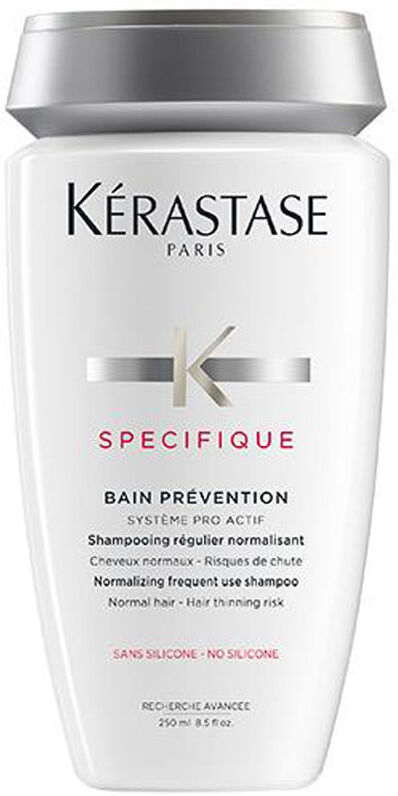
Kérastase Specifique Bain Prevention 250mlFor anyone who previously used Kérastase Bain Stimuliste GL, the Kérastase Specifique Bain Prevention is a reformulation designed to target thinning hair.The formula is made with super-active ingredients to help plump and boost each strand. It increases microcirculation activation and bulb nutrition, which results in the micro-circulation being activated. This helps to make hair fuller and thicker.24,40 £*Shipping: 0,00 £Secure redirect to the provider
-
Is the main clause and subordinate clause correct?
To determine if the main clause and subordinate clause are correct, you need to ensure that they are grammatically sound and that they make sense when combined. The main clause should be able to stand alone as a complete sentence, while the subordinate clause provides additional information but cannot stand alone. Checking for subject-verb agreement and proper punctuation between the two clauses can help confirm their correctness. **
-
How do I recognize a relative clause, a conjunctional clause, and an interrogative clause?
A relative clause typically starts with a relative pronoun (such as who, whom, whose, which, or that) and provides more information about a noun in the main clause. A conjunctional clause, on the other hand, is introduced by a conjunction (such as and, but, or because) and connects two independent clauses. An interrogative clause is a type of clause that asks a question and is typically introduced by an interrogative pronoun (such as who, what, when, where, why, or how) or an interrogative adverb (such as how, when, or where). **
-
How can I recognize a relative clause, a conjunctional clause, and an interrogative clause?
A relative clause is a type of dependent clause that typically starts with a relative pronoun (such as who, whom, whose, which, or that) and provides additional information about a noun in the main clause. A conjunctional clause, on the other hand, is a dependent clause that functions as an adverb, adjective, or noun in a sentence and is connected to the main clause by a conjunction (such as because, although, if, when, etc.). An interrogative clause is a type of clause that asks a question and typically begins with a question word (such as who, what, where, when, why, or how) or with a helping verb followed by the subject. **
-
Is the accompanying clause in direct speech a main clause or a subordinate clause?
The accompanying clause in direct speech can be either a main clause or a subordinate clause, depending on its role in the sentence. If the clause is expressing a complete thought and can stand alone as a sentence, then it is a main clause. However, if the clause is dependent on the rest of the sentence for its meaning and cannot stand alone, then it is a subordinate clause. It's important to consider the context and structure of the sentence to determine the role of the accompanying clause in direct speech. **
* All prices are inclusive of VAT and, if applicable, plus shipping costs. The offer information is based on the details provided by the respective shop and is updated through automated processes. Real-time updates do not occur, so deviations can occur in individual cases. ** Note: Parts of this content were created by AI.