Buy darmkankerinfo.eu ?
We are moving the project
darmkankerinfo.eu .
Are you interested in purchasing the domain
darmkankerinfo.eu ?
domain@kv-gmbh.de · 0541-91531010
Buy darmkankerinfo.eu ?
What are the rules for a spa treatment?
The rules for a spa treatment typically include arriving on time for your appointment, respecting the therapist's instructions and boundaries, communicating any preferences or concerns before the treatment begins, and maintaining a quiet and relaxed atmosphere during the session. It is also important to adhere to the spa's policies regarding cancellations, tipping, and use of facilities. Overall, the key rules for a spa treatment are to be respectful, considerate, and mindful of both your own experience and that of the spa staff. **
What are the occupational safety regulations and accident prevention rules in the pharmacy?
Occupational safety regulations and accident prevention rules in the pharmacy are designed to ensure the safety of pharmacy workers and customers. These regulations include proper handling and disposal of hazardous materials, such as medications and chemicals, as well as the use of personal protective equipment, such as gloves and masks. Additionally, pharmacies are required to have safety protocols in place for handling emergencies, such as spills or accidents, and to provide training to employees on how to prevent accidents and respond to emergencies. Overall, these regulations are in place to protect the health and well-being of pharmacy workers and the public. **


Similar search terms for Rules
Top-Angebote
Products related to Rules:
-
Northwest Hasbro Candyland Kandy Rules Silk Touch Throw Blanket"Indulge in ultimate comfort and softness with Hasbro's Candyland ""Kandy Rules"" Silk Touch Blanket. Made from 100% polyester, this blanket is silky smooth to the touch and provides the perfect amount of warmth."39,99 $*Shipping: 0,00 $Secure redirect to the provider
-
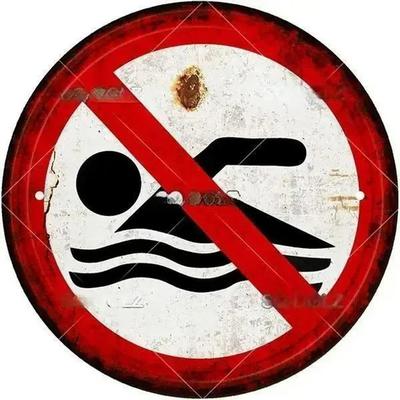
Uplift Essentials "Vintage ""Tool Rules"" Metal Tin Sign style 06""Bring rugged, nostalgic character to your workshop with this vintage ""Tool Rules"" metal tin sign. Crafted from highdensity tinplate metal with predistressed vintage graphics, this 30x30 cm square poster displays humorously relatable workshop..."62,97 $*Shipping: 0,00 $Secure redirect to the provider



-
Which rules?
The rules that govern our behavior, interactions, and decisions in various aspects of life. These rules can be societal norms, laws, regulations, or guidelines set by organizations or institutions. Adhering to these rules helps maintain order, promote fairness, and ensure the well-being of individuals and society as a whole. It is important to understand and follow these rules to contribute positively to our communities and environments. **
-
What are rules?
Rules are guidelines or instructions that dictate how individuals should behave or act in a particular situation or setting. They are put in place to maintain order, ensure fairness, and promote safety. Rules can be formal, such as laws or regulations, or informal, like social norms or etiquette. Following rules is important for creating a harmonious and functional society. **
-
Who rules the world?
There is no single entity or individual that rules the world. Power and influence are distributed among various countries, organizations, and individuals. The world is governed by a complex system of international relations, treaties, and agreements, with different actors playing different roles in shaping global events and decisions. Ultimately, the world is a dynamic and interconnected system where power is constantly shifting and evolving. **
-
Do people need rules?
Yes, people need rules to create order and structure in society. Rules help to establish boundaries, expectations, and consequences for behavior, which ultimately promote fairness, safety, and harmony among individuals. Without rules, there would be chaos and confusion, making it difficult for people to coexist peacefully and effectively. Rules provide a framework for social interactions and help to ensure that everyone is held accountable for their actions. **

What are rules for?
Rules are put in place to provide structure, order, and guidance in various aspects of life. They help to establish boundaries, maintain safety, and promote fairness and equality. Rules also serve to regulate behavior, prevent chaos, and ensure that individuals can coexist harmoniously within a society or organization. Ultimately, rules are designed to create a framework for people to follow, enabling them to understand expectations and navigate interactions effectively. **
Why are there rules?
Rules are put in place to create order, maintain safety, and promote fairness in various aspects of society. They help to establish boundaries and expectations for behavior, ensuring that individuals know what is acceptable and what is not. Rules also serve to protect the rights and well-being of individuals and prevent chaos or harm. Overall, rules are necessary for the functioning of a structured and organized society. **
Top-Angebote
Products related to Rules:
-
Northwest Hasbro Candyland Kandy Rules Silk Touch Throw Blanket"Indulge in ultimate comfort and softness with Hasbro's Candyland ""Kandy Rules"" Silk Touch Blanket. Made from 100% polyester, this blanket is silky smooth to the touch and provides the perfect amount of warmth."39,99 $*Shipping: 0,00 $Secure redirect to the provider
-
What are the rules for a spa treatment?
The rules for a spa treatment typically include arriving on time for your appointment, respecting the therapist's instructions and boundaries, communicating any preferences or concerns before the treatment begins, and maintaining a quiet and relaxed atmosphere during the session. It is also important to adhere to the spa's policies regarding cancellations, tipping, and use of facilities. Overall, the key rules for a spa treatment are to be respectful, considerate, and mindful of both your own experience and that of the spa staff. **
-
What are the occupational safety regulations and accident prevention rules in the pharmacy?
Occupational safety regulations and accident prevention rules in the pharmacy are designed to ensure the safety of pharmacy workers and customers. These regulations include proper handling and disposal of hazardous materials, such as medications and chemicals, as well as the use of personal protective equipment, such as gloves and masks. Additionally, pharmacies are required to have safety protocols in place for handling emergencies, such as spills or accidents, and to provide training to employees on how to prevent accidents and respond to emergencies. Overall, these regulations are in place to protect the health and well-being of pharmacy workers and the public. **
-
Which rules?
The rules that govern our behavior, interactions, and decisions in various aspects of life. These rules can be societal norms, laws, regulations, or guidelines set by organizations or institutions. Adhering to these rules helps maintain order, promote fairness, and ensure the well-being of individuals and society as a whole. It is important to understand and follow these rules to contribute positively to our communities and environments. **
-
What are rules?
Rules are guidelines or instructions that dictate how individuals should behave or act in a particular situation or setting. They are put in place to maintain order, ensure fairness, and promote safety. Rules can be formal, such as laws or regulations, or informal, like social norms or etiquette. Following rules is important for creating a harmonious and functional society. **
Similar search terms for Rules
-
Uplift Essentials "Vintage ""Tool Rules"" Metal Tin Sign style 06""Bring rugged, nostalgic character to your workshop with this vintage ""Tool Rules"" metal tin sign. Crafted from highdensity tinplate metal with predistressed vintage graphics, this 30x30 cm square poster displays humorously relatable workshop..."62,97 $*Shipping: 0,00 $Secure redirect to the provider
-
Who rules the world?
There is no single entity or individual that rules the world. Power and influence are distributed among various countries, organizations, and individuals. The world is governed by a complex system of international relations, treaties, and agreements, with different actors playing different roles in shaping global events and decisions. Ultimately, the world is a dynamic and interconnected system where power is constantly shifting and evolving. **
-
Do people need rules?
Yes, people need rules to create order and structure in society. Rules help to establish boundaries, expectations, and consequences for behavior, which ultimately promote fairness, safety, and harmony among individuals. Without rules, there would be chaos and confusion, making it difficult for people to coexist peacefully and effectively. Rules provide a framework for social interactions and help to ensure that everyone is held accountable for their actions. **
-
What are rules for?
Rules are put in place to provide structure, order, and guidance in various aspects of life. They help to establish boundaries, maintain safety, and promote fairness and equality. Rules also serve to regulate behavior, prevent chaos, and ensure that individuals can coexist harmoniously within a society or organization. Ultimately, rules are designed to create a framework for people to follow, enabling them to understand expectations and navigate interactions effectively. **
-
Why are there rules?
Rules are put in place to create order, maintain safety, and promote fairness in various aspects of society. They help to establish boundaries and expectations for behavior, ensuring that individuals know what is acceptable and what is not. Rules also serve to protect the rights and well-being of individuals and prevent chaos or harm. Overall, rules are necessary for the functioning of a structured and organized society. **
* All prices are inclusive of VAT and, if applicable, plus shipping costs. The offer information is based on the details provided by the respective shop and is updated through automated processes. Real-time updates do not occur, so deviations can occur in individual cases. ** Note: Parts of this content were created by AI.