Buy darmkankerinfo.eu ?
We are moving the project
darmkankerinfo.eu .
Are you interested in purchasing the domain
darmkankerinfo.eu ?
domain@kv-gmbh.de · 0541-91531010
Buy darmkankerinfo.eu ?
How can one detoxify microplastics?
One way to detoxify microplastics is through the use of activated charcoal. Activated charcoal has a porous structure that can trap and bind to toxins, including microplastics, and help remove them from the body. Another method is to consume foods and supplements that support the body's natural detoxification processes, such as antioxidants and fiber-rich foods. Additionally, reducing exposure to sources of microplastics, such as single-use plastics and contaminated water, can help prevent further accumulation in the body. **
How can microplastics be made visible?
Microplastics can be made visible through various methods such as using specialized equipment like microscopes or infrared spectroscopy to detect and analyze them. Additionally, researchers can use fluorescent dyes that bind specifically to microplastics, making them easier to see under certain lighting conditions. Another method is filtering water samples and examining the residue left behind, as microplastics will be captured on the filter. Overall, a combination of techniques is often used to effectively visualize and quantify microplastics in different environments. **


Similar search terms for Microplastics
Top-Angebote
Products related to Microplastics:
-
Barral Íntima Prevention 200mLA skin-care product. Intimate Prevention is suitable for daily intimate hygiene, ideal in cases of recurrent infections. Its formula has a pH 4.5 and lactic acid, respecting the physiological balance of the woman. It contains prebiotics that help strengthen natural defenses, neutralizing the causes of possible discomfort, infections and unpleasant odor.6,77 £*Shipping: 7,11 £Secure redirect to the provider
-
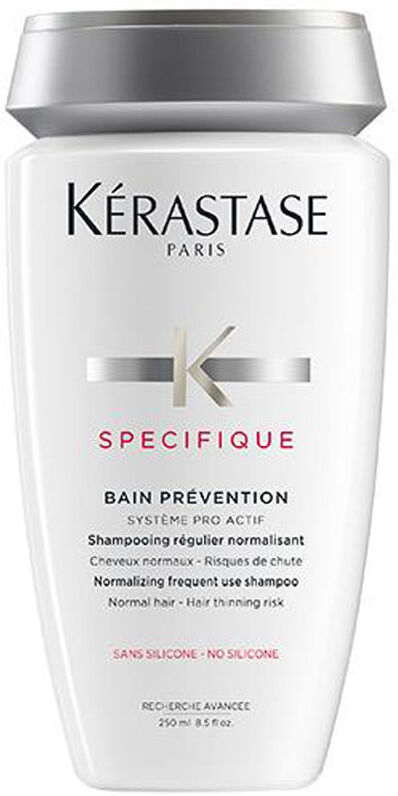
Kérastase Specifique Bain Prevention 250mlFor anyone who previously used Kérastase Bain Stimuliste GL, the Kérastase Specifique Bain Prevention is a reformulation designed to target thinning hair.The formula is made with super-active ingredients to help plump and boost each strand. It increases microcirculation activation and bulb nutrition, which results in the micro-circulation being activated. This helps to make hair fuller and thicker.24,40 £*Shipping: 0,00 £Secure redirect to the provider
-
Aster The Complete Low FODMAP Diet Plan: Relieve symptoms of IBS using a food-first approachTake control of IBS with this ground-breaking diet planThe low-FODMAP diet is a medically proven approach to managing and relieving symptoms of irritable bowel syndrome (IBS).FODMAPs are fermentable carbohydrates that are difficult to digest and known to cause unpleasant gastrointestinal symptoms, such as bloating, excessive gas and stomach pain.Full of essential information, this easy-to-follow beginner's guide will help you understand and apply the diet with the support of your dietitian, and shows you how, by making simple changes to what you eat, you can alleviate symptoms of IBS and live life to the full again. Includes:A comprehensive table of foods to avoidA detailed explanation of the three-stage process of restriction, reintroduction and personalisation75 delicious gut-friendly recipes7,99 £*Shipping: 2,99 £Secure redirect to the provider
-
Alpen Home Colon Hooked Black Indoor/Outdoor Rug Black Rectangle 235 x 330cmColon Hooked Black Rug collection was created for today's indoor/outdoor lifestyle. These beautiful but practical rugs take outdoor decorating to the next level with new designs in fashion-forward colours and patterns from classic to contemporary. Alpen Home Rug Size: Rectangle 235 x 330cm237,99 £*Shipping: 14,99 £Secure redirect to the provider



-
How can one make microplastics visible?
Microplastics can be made visible through the use of specialized equipment such as microscopes or infrared cameras. By magnifying the sample, microplastics that are too small to be seen with the naked eye can be identified and counted. Additionally, specific dyes or fluorescent markers can be used to stain the microplastics, making them easier to detect under certain lighting conditions. Sampling techniques such as filtration or sedimentation can also help concentrate microplastics from a larger sample, making them more visible for analysis. **
-
What is in wastewater: microplastics and silicones?
Wastewater can contain microplastics, which are tiny pieces of plastic less than 5mm in size that come from various sources such as personal care products, clothing, and packaging. Silicones are another common component found in wastewater, which are synthetic compounds used in a variety of products like shampoos, conditioners, and cosmetics. Both microplastics and silicones can pose environmental risks as they can accumulate in water bodies, harm aquatic life, and potentially enter the food chain. **
-
What is in the wastewater: microplastics and silicones?
Wastewater can contain microplastics, which are tiny plastic particles that come from a variety of sources such as clothing fibers, packaging materials, and personal care products. These microplastics can enter the wastewater system through activities like washing clothes or using personal care products. Additionally, silicones, which are synthetic polymers often used in personal care products and industrial processes, can also be found in wastewater. Both microplastics and silicones can pose environmental and health risks, making it important to address their presence in wastewater treatment processes. **
-
Do we all have microplastics in our bodies?
Yes, studies have found that microplastics have been detected in human bodies through various means such as in the gut, lungs, and even in placental tissue. These microplastics can enter our bodies through ingestion of contaminated food and water, as well as through inhalation of airborne particles. While the health impacts of microplastics in our bodies are still being studied, it is clear that they are pervasive in the environment and can accumulate in our bodies over time. **

What is the difference between primary and secondary microplastics?
Primary microplastics are small plastic particles that are intentionally produced for use in products such as exfoliating scrubs, industrial abrasives, and air blasting. Secondary microplastics are the result of the breakdown of larger plastic items, such as water bottles, packaging materials, and fishing nets, due to weathering, sunlight, and mechanical action. Both types of microplastics can have negative impacts on the environment and wildlife, but primary microplastics are directly introduced into the environment, while secondary microplastics result from the degradation of larger plastic items. **
What can be done about microplastics in the oceans?
To address the issue of microplastics in the oceans, several measures can be taken. Firstly, reducing the use of single-use plastics and promoting the use of biodegradable alternatives can help prevent the entry of more plastic into the oceans. Additionally, implementing proper waste management and recycling systems can help reduce the amount of plastic waste that ends up in the oceans. Furthermore, conducting clean-up operations and developing technologies to remove existing microplastics from the oceans can also be effective in mitigating the problem. Finally, raising awareness and educating the public about the impact of microplastics on marine ecosystems can help drive individual and collective action to address the issue. **
Top-Angebote
Products related to Microplastics:
-
Nonin Medical nVision Data Management Software for Oximetry Screening""" nVision SpO2 Data Management Software Nonin's innovation in pulse oximetry has led to the development of an easy oximetry reporting solution nVISION. Designed to provide effortless viewing, professional analysis, report generation and reliable..."441,00 $*Shipping: 0,00 $Secure redirect to the provider
-
Barral Íntima Prevention 200mLA skin-care product. Intimate Prevention is suitable for daily intimate hygiene, ideal in cases of recurrent infections. Its formula has a pH 4.5 and lactic acid, respecting the physiological balance of the woman. It contains prebiotics that help strengthen natural defenses, neutralizing the causes of possible discomfort, infections and unpleasant odor.6,77 £*Shipping: 7,11 £Secure redirect to the provider
-
Kérastase Specifique Bain Prevention 250mlFor anyone who previously used Kérastase Bain Stimuliste GL, the Kérastase Specifique Bain Prevention is a reformulation designed to target thinning hair.The formula is made with super-active ingredients to help plump and boost each strand. It increases microcirculation activation and bulb nutrition, which results in the micro-circulation being activated. This helps to make hair fuller and thicker.24,40 £*Shipping: 0,00 £Secure redirect to the provider
-
How can one detoxify microplastics?
One way to detoxify microplastics is through the use of activated charcoal. Activated charcoal has a porous structure that can trap and bind to toxins, including microplastics, and help remove them from the body. Another method is to consume foods and supplements that support the body's natural detoxification processes, such as antioxidants and fiber-rich foods. Additionally, reducing exposure to sources of microplastics, such as single-use plastics and contaminated water, can help prevent further accumulation in the body. **
-
How can microplastics be made visible?
Microplastics can be made visible through various methods such as using specialized equipment like microscopes or infrared spectroscopy to detect and analyze them. Additionally, researchers can use fluorescent dyes that bind specifically to microplastics, making them easier to see under certain lighting conditions. Another method is filtering water samples and examining the residue left behind, as microplastics will be captured on the filter. Overall, a combination of techniques is often used to effectively visualize and quantify microplastics in different environments. **
-
How can one make microplastics visible?
Microplastics can be made visible through the use of specialized equipment such as microscopes or infrared cameras. By magnifying the sample, microplastics that are too small to be seen with the naked eye can be identified and counted. Additionally, specific dyes or fluorescent markers can be used to stain the microplastics, making them easier to detect under certain lighting conditions. Sampling techniques such as filtration or sedimentation can also help concentrate microplastics from a larger sample, making them more visible for analysis. **
-
What is in wastewater: microplastics and silicones?
Wastewater can contain microplastics, which are tiny pieces of plastic less than 5mm in size that come from various sources such as personal care products, clothing, and packaging. Silicones are another common component found in wastewater, which are synthetic compounds used in a variety of products like shampoos, conditioners, and cosmetics. Both microplastics and silicones can pose environmental risks as they can accumulate in water bodies, harm aquatic life, and potentially enter the food chain. **
Similar search terms for Microplastics
-
Aster The Complete Low FODMAP Diet Plan: Relieve symptoms of IBS using a food-first approachTake control of IBS with this ground-breaking diet planThe low-FODMAP diet is a medically proven approach to managing and relieving symptoms of irritable bowel syndrome (IBS).FODMAPs are fermentable carbohydrates that are difficult to digest and known to cause unpleasant gastrointestinal symptoms, such as bloating, excessive gas and stomach pain.Full of essential information, this easy-to-follow beginner's guide will help you understand and apply the diet with the support of your dietitian, and shows you how, by making simple changes to what you eat, you can alleviate symptoms of IBS and live life to the full again. Includes:A comprehensive table of foods to avoidA detailed explanation of the three-stage process of restriction, reintroduction and personalisation75 delicious gut-friendly recipes7,99 £*Shipping: 2,99 £Secure redirect to the provider
-
Alpen Home Colon Hooked Black Indoor/Outdoor Rug Black Rectangle 235 x 330cmColon Hooked Black Rug collection was created for today's indoor/outdoor lifestyle. These beautiful but practical rugs take outdoor decorating to the next level with new designs in fashion-forward colours and patterns from classic to contemporary. Alpen Home Rug Size: Rectangle 235 x 330cm237,99 £*Shipping: 14,99 £Secure redirect to the provider
-
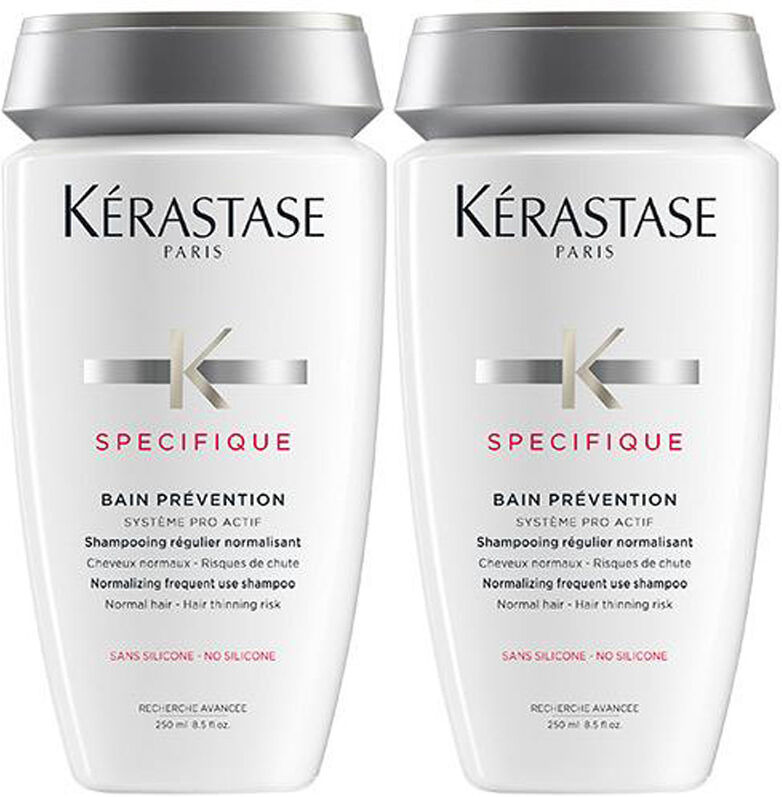
Kérastase Specifique Bain Prevention 250ml DoubleFor anyone who previously used Kérastase Bain Stimuliste GL, the Kérastase Specifique Bain Prevention is a reformulation designed to target thinning hair, in a handy double pack!The formula is made with super-active ingredients to help plump and boost each strand. It increases microcirculation activation and bulb nutrition, which results in the micro-circulation being activated. This helps to make hair fuller and thicker.45,75 £*Shipping: 0,00 £Secure redirect to the provider
-
Alpen Home Colon Hooked Black Indoor/Outdoor Rug Black Rectangle 201 x 290 cmColon Hooked Black Rug collection was created for today's indoor/outdoor lifestyle. These beautiful but practical rugs take outdoor decorating to the next level with new designs in fashion-forward colours and patterns from classic to contemporary. Alpen Home Rug Size: Rectangle 201 x 290 cm139,99 £*Shipping: 0,00 £Secure redirect to the provider
-
What is in the wastewater: microplastics and silicones?
Wastewater can contain microplastics, which are tiny plastic particles that come from a variety of sources such as clothing fibers, packaging materials, and personal care products. These microplastics can enter the wastewater system through activities like washing clothes or using personal care products. Additionally, silicones, which are synthetic polymers often used in personal care products and industrial processes, can also be found in wastewater. Both microplastics and silicones can pose environmental and health risks, making it important to address their presence in wastewater treatment processes. **
-
Do we all have microplastics in our bodies?
Yes, studies have found that microplastics have been detected in human bodies through various means such as in the gut, lungs, and even in placental tissue. These microplastics can enter our bodies through ingestion of contaminated food and water, as well as through inhalation of airborne particles. While the health impacts of microplastics in our bodies are still being studied, it is clear that they are pervasive in the environment and can accumulate in our bodies over time. **
-
What is the difference between primary and secondary microplastics?
Primary microplastics are small plastic particles that are intentionally produced for use in products such as exfoliating scrubs, industrial abrasives, and air blasting. Secondary microplastics are the result of the breakdown of larger plastic items, such as water bottles, packaging materials, and fishing nets, due to weathering, sunlight, and mechanical action. Both types of microplastics can have negative impacts on the environment and wildlife, but primary microplastics are directly introduced into the environment, while secondary microplastics result from the degradation of larger plastic items. **
-
What can be done about microplastics in the oceans?
To address the issue of microplastics in the oceans, several measures can be taken. Firstly, reducing the use of single-use plastics and promoting the use of biodegradable alternatives can help prevent the entry of more plastic into the oceans. Additionally, implementing proper waste management and recycling systems can help reduce the amount of plastic waste that ends up in the oceans. Furthermore, conducting clean-up operations and developing technologies to remove existing microplastics from the oceans can also be effective in mitigating the problem. Finally, raising awareness and educating the public about the impact of microplastics on marine ecosystems can help drive individual and collective action to address the issue. **
* All prices are inclusive of VAT and, if applicable, plus shipping costs. The offer information is based on the details provided by the respective shop and is updated through automated processes. Real-time updates do not occur, so deviations can occur in individual cases. ** Note: Parts of this content were created by AI.